
Kilimanjaro: Six People, Six Journeys, One Mountain
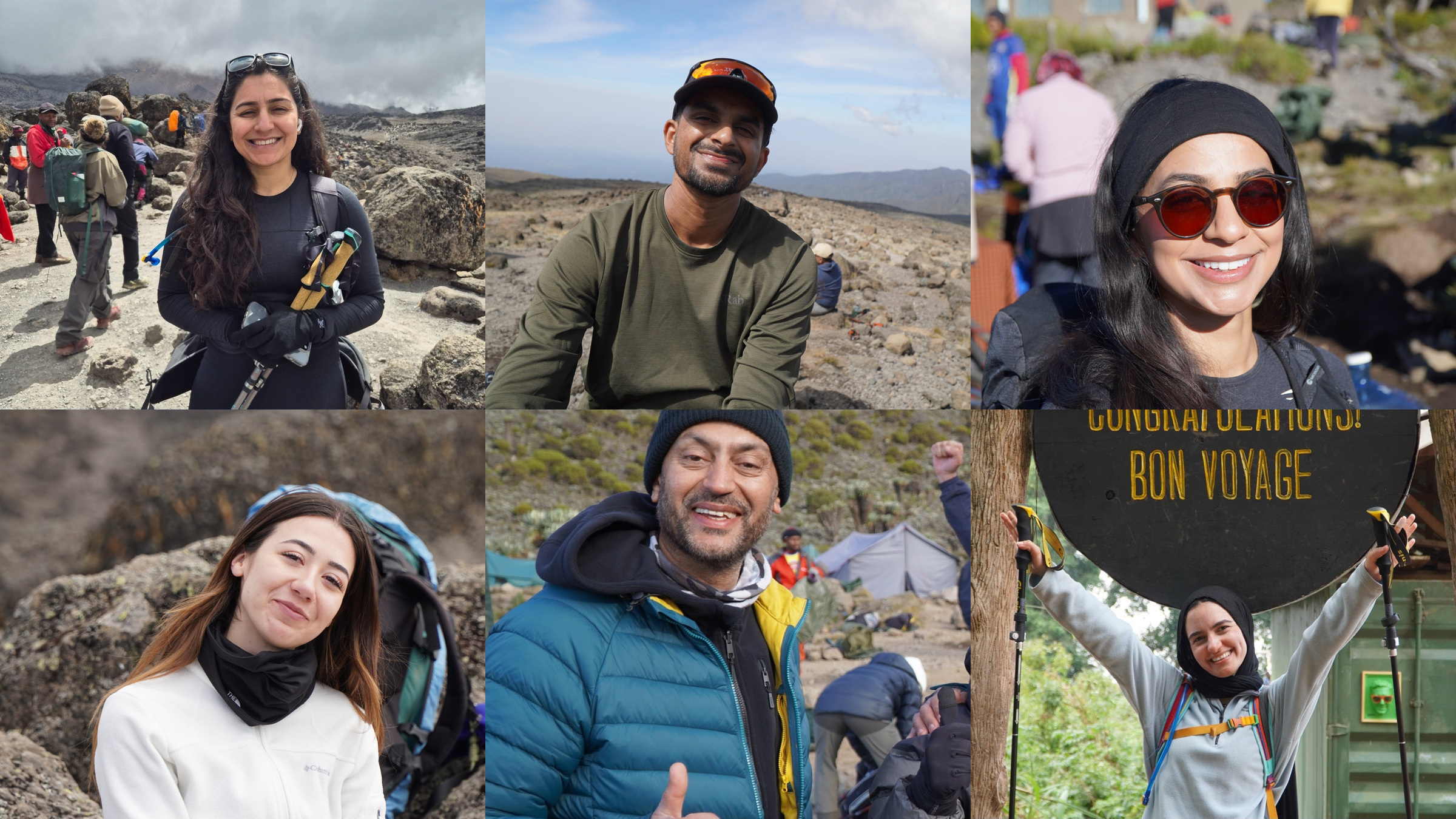
A twelve-year dream. A father and son. A leap into the unknown. Six members of our Muslim Hikers community share the challenges, friendships and unforgettable moments that shaped their journey to the Roof of Africa.
“Son, when I’m gone and my future grandchildren ask what their grandfather was like, just tell them about this journey.”
Those were the words of 55-year-old Khalid Khan to his son, Nabeel, after they reached the summit of Mount Kilimanjaro.
It’s a remarkable thing to say at 5,895 metres above sea level. But perhaps it’s an even more remarkable reminder of what experiences like this can mean to the people who undertake them.
For some, climbing Kilimanjaro represents years of ambition and preparation. For others, it’s an opportunity to do something completely outside their comfort zone. And for many, the greatest rewards turn out to be the friendships, connections and memories made along the way.
In January 2026, Muslim Hikers brought together a diverse group of adventurers to take on Africa’s highest mountain.
They came from different places, with different levels of hiking experience and very different reasons for signing up.
Some had climbed high mountains before. Others had barely experienced camping, let alone spending days trekking at altitude.
Over the course of the expedition, they faced physical exhaustion, freezing temperatures, altitude sickness and moments of genuine uncertainty. But they also experienced friendship, laughter, prayer, breathtaking landscapes and the extraordinary kindness of the local mountain team.
We asked six members of the expedition to tell us about their experiences.
Not simply what it felt like to reach the summit, but what brought them there, what challenged them and what they took home.
These are their stories.
1. Habiba: A dream that began with a Sunday job
London | The dreamer
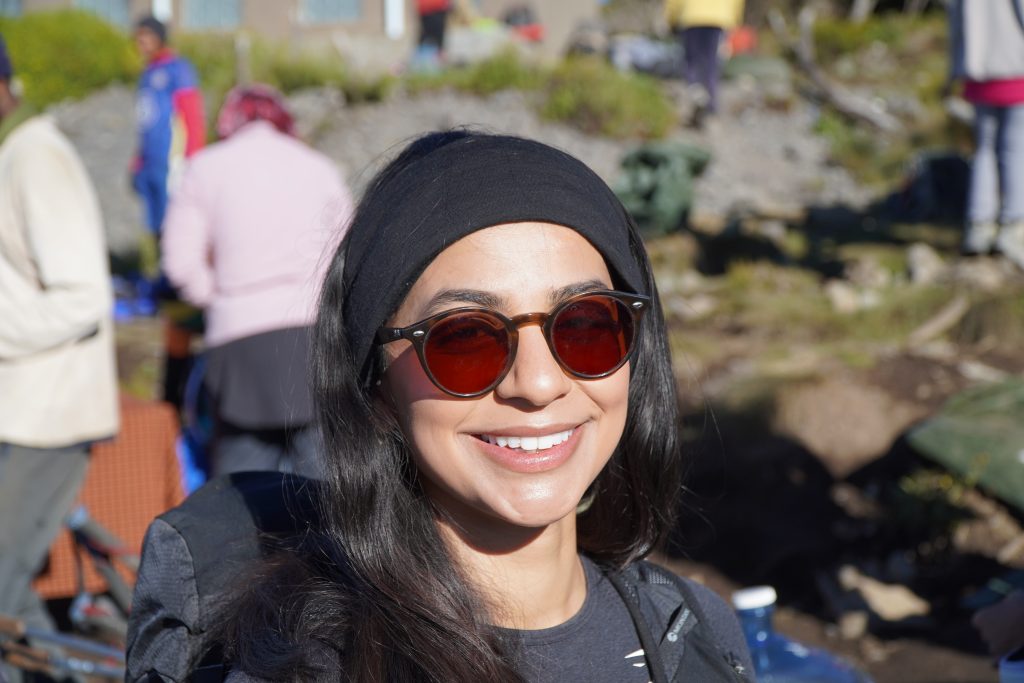
When Habiba was 16, she was working her usual Sunday job when a conversation with two customers planted an idea that would stay with her for almost twelve years.
They had climbed Kilimanjaro.
She decided there and then that one day, she would too.
“When I was 16, I was working my Sunday job serving customers when a couple mentioned that they had climbed Kilimanjaro. It sounded absolutely amazing to me, and from that day onwards, I decided that one day I was going to climb it too, inshallah. Almost 12 years later, I finally did it!”
Habiba, from London, describes herself as an animal lover and proud aunt to two cats, Lola and Fitz.
But behind that light-hearted introduction was a long-held ambition to stand on Africa’s highest mountain.
When the opportunity finally arrived, she knew the experience wouldn’t necessarily be easy.
Her pre-expedition concerns were refreshingly relatable.
What was she most nervous about? “The toilet situation!”
And most excited about? “The starry nights.”
As it turned out, neither the toilets nor the summit would define her favourite memories.
“Playing card games, Mafia and charades in a circle in the middle of the mountains, and the Khutbahs after prayer. Those little moments of laughter, community and spirituality were really special.”
Those evenings became an important part of the expedition, giving everyone a chance to relax, connect and enjoy one another’s company after long days on the trail.
But Kilimanjaro also had a serious challenge waiting for Habiba.
Altitude sickness.
“Altitude sickness was definitely my biggest challenge. I overcame it because of the incredible kindness of everyone who stopped to help me and supported me when I was struggling. It reminded me how much of a team effort something like this really is.”
When she finally reached Uhuru Peak, her overwhelming feeling wasn’t triumph or disbelief.
It was relief.
“After everything my body had been through, reaching the summit was an incredible feeling, but mostly, I was just relieved that I had made it.”
Twelve years after that conversation at her Sunday job, Habiba had achieved what she’d set out to do.
But the experience had also taught her something unexpected.
“It taught me that I have much more patience than I thought I did. It also reminded me that sometimes you just have to take things one step at a time, literally!”
And her advice for anyone considering the next expedition?
“Pack wipes, Diamox and earplugs, and the rest will be easy! Jokes aside, do it. You’ll be challenged, but you’ll also laugh, make incredible memories and meet some amazing people along the way.”
Her final reflection perhaps captures the experience better than any summit photograph could.
“Remember to stop, take a breath and look up at your beautiful surroundings. It’s easy to get caught up in reaching the next camp or the summit, but some of the most beautiful moments are found when you simply stop and appreciate where you are.”
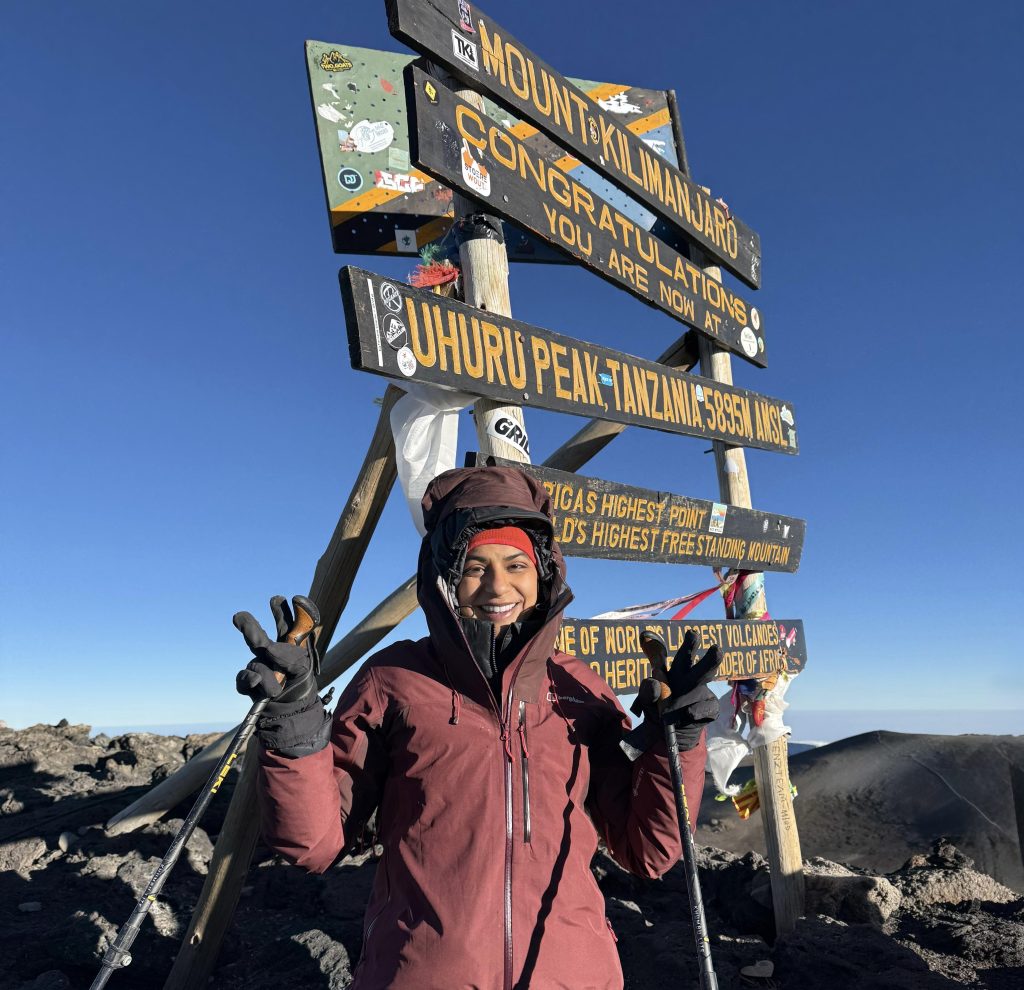
2. Anela: From Montenegro to the Roof of Africa
Montenegro | The leap into the unknown
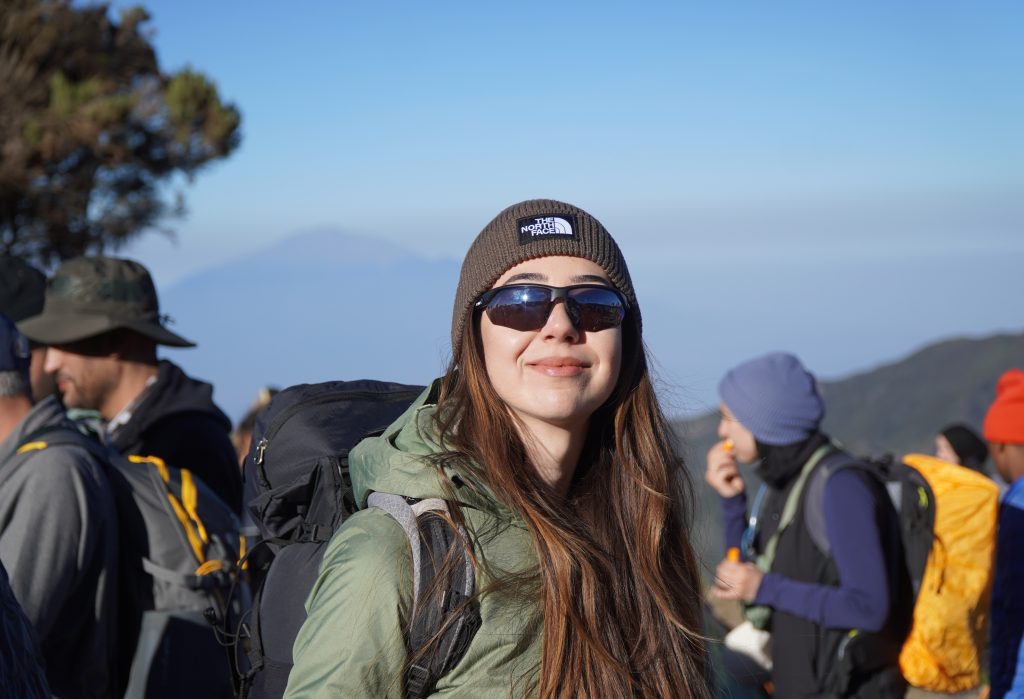
Anela had dreamed about climbing Kilimanjaro for a long time.There was just one small problem.She had very little experience hiking at altitude, didn’t have many friends who shared her enthusiasm for hiking, and had never attended a Muslim Hikers event before.Joining an international expedition to Africa’s highest mountain would mean stepping into almost completely unfamiliar territory.
“Kilimanjaro kept popping up on my social media, and when I saw that Muslim Hikers were organizing the first Kili expedition, I told myself: ‘I have to do it!’”
For Anela, who travelled from Montenegro, the opportunity to share that experience with other Muslims was an important part of the decision.
“I don’t have many friends who are into hiking, so this was the perfect opportunity to do it with other Muslims, which made me feel much more comfortable.”
But signing up didn’t make the nerves disappear.
“Before the trip, I was extremely nervous because I had only done one hike above 2,000 meters in my whole life, and going straight to Kili felt like a huge challenge.”
She was also joining a group of people she’d never met.
“Taking on such a big project with people I didn’t know at all felt like a real leap of faith.”
As the expedition unfolded, however, the unfamiliar faces began to become friends.For Anela, some of her favourite memories weren’t made while climbing, but during the evenings spent together.
“What I loved most about the expedition were the evenings, when we would all gather for dinner in the tent, recap the hiking day, play games, have deep conversations, and get to know all the amazing people in the group and their stories.”
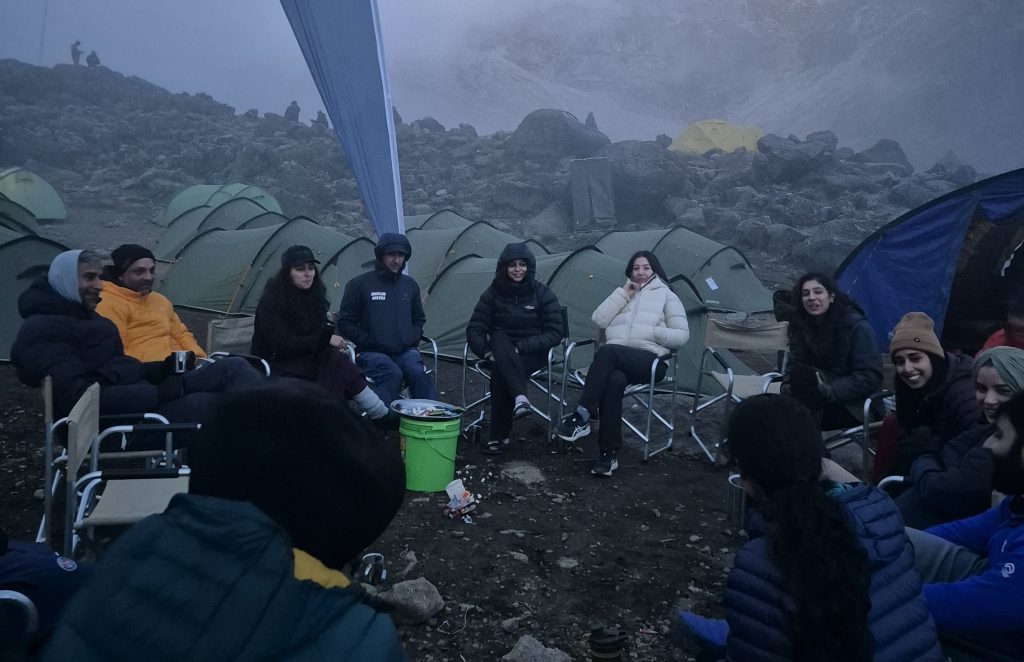
She also remembers the local mountain guides, whose encouragement and positive energy made a lasting impression.But when summit day arrived, the challenge became much more serious.Altitude sickness had taken its toll.At one point, Anela genuinely doubted whether she would make it.
“Reaching Uhuru Peak was such a special moment, especially because, in the middle of the trek, I had lost hope that I would make it.”
What followed was a lesson in perseverance, patience and accepting support.
“By going pole, pole (small steps), combined with a lot of determination, I somehow made it, alhamdulillah. Meeting people from our group on the way up was very emotional, and I was so happy for everyone who got to reach Uhuru Peak.”
Pole pole is Swahili for slowly, slowly, a phrase often heard on Kilimanjaro, where maintaining a manageable pace is essential.For someone who had barely experienced hiking above 2,000 metres, reaching almost 6,000 metres was an extraordinary personal achievement.But Anela’s lasting reflection was about more than how high she’d climbed.
“Kilimanjaro was the hardest, but also the most beautiful thing I have ever done and experienced in my life.”
She believes the journey taught her to step into the unknown, challenge herself and have greater confidence in her own abilities.And perhaps that’s what makes her story so relatable.She didn’t arrive with years of high-altitude experience or a group of friends to accompany her.She arrived with a dream, plenty of nerves and the courage to give it a go.
3. Afrah: “WHAT am I doing?!”
The adventurer with second thoughts
For Afrah, the moment of panic arrived before the mountain had even come into view.
She was sitting at an airport in London, waiting for her journey to begin, when an announcement brought everything into focus.
“I remember sitting at the airport in London and hearing them announce ‘last call to Ethiopia’. I just stood there staring at the gate thinking, WHAT am I doing?!”
It was perhaps an unusual moment to question her decision.
After all, she’d already climbed Mount Toubkal and thoroughly enjoyed the experience.
But Kilimanjaro was something else entirely.
“I had just climbed Mount Toubkal and had the best time. It was amazing to see how far you can push your body, but also, how much further can we go?”
Part of what inspired her to continue hiking was discovering the experience of doing so with a community that placed faith and prayer at the centre of its adventures.
“I definitely had the itch to keep hiking, especially after experiencing what it was like to do it with a group that centred salah and group prayers in nature.”
A friend suggested Kilimanjaro, and before long, the trip was booked.
Then came the inevitable realisation of what she’d signed herself up for.
Fortunately, Afrah’s story quickly became one of friendship and laughter.
When we asked about her favourite part of the expedition, she didn’t hesitate.
Her tent roommate.
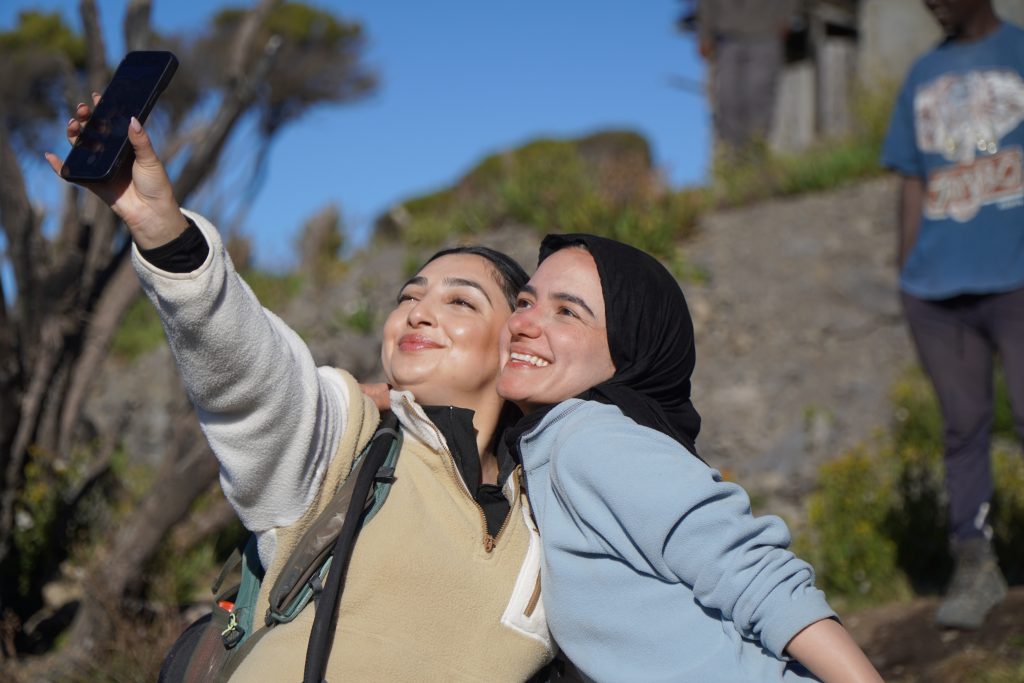
“We actually met on the trip which became hard for a lot of people to believe, including us.”
And it wasn’t simply a case of getting along.
“From our tent karaoke sessions and completely unaesthetic morning routines, to waking each other up at 3am to use the toilet…I genuinely wouldn’t change any of it.”
It’s the kind of detail that rarely features in glossy mountaineering documentaries.
But for anyone who’s been on a group expedition, it’s often those completely ordinary, slightly ridiculous moments that turn into the best memories.
Of course, the laughter couldn’t make the physical challenge disappear.
Afrah recalls summit night in particularly vivid detail.
“We were warned multiple times about summit night but it still shocked us all.”
The final ascent began after five demanding days of trekking, with little sleep and an enormous physical challenge still ahead.
“To reach the finish line, it was a 9 hour hike from base camp which we started on little to no sleep, on the back of what had already been an exhausting 5 day trek.”
The cold and altitude made even simple tasks difficult.
“We were hiking in -16 degrees, some with frozen water bottles and others with visual hallucinations.”
One detail sums up the experience particularly well.
“The battle between keeping your mittens on vs letting your fingers freeze because you wanted to reach for snacks was one I was about to lose to frostbite.”
And then, after everything:
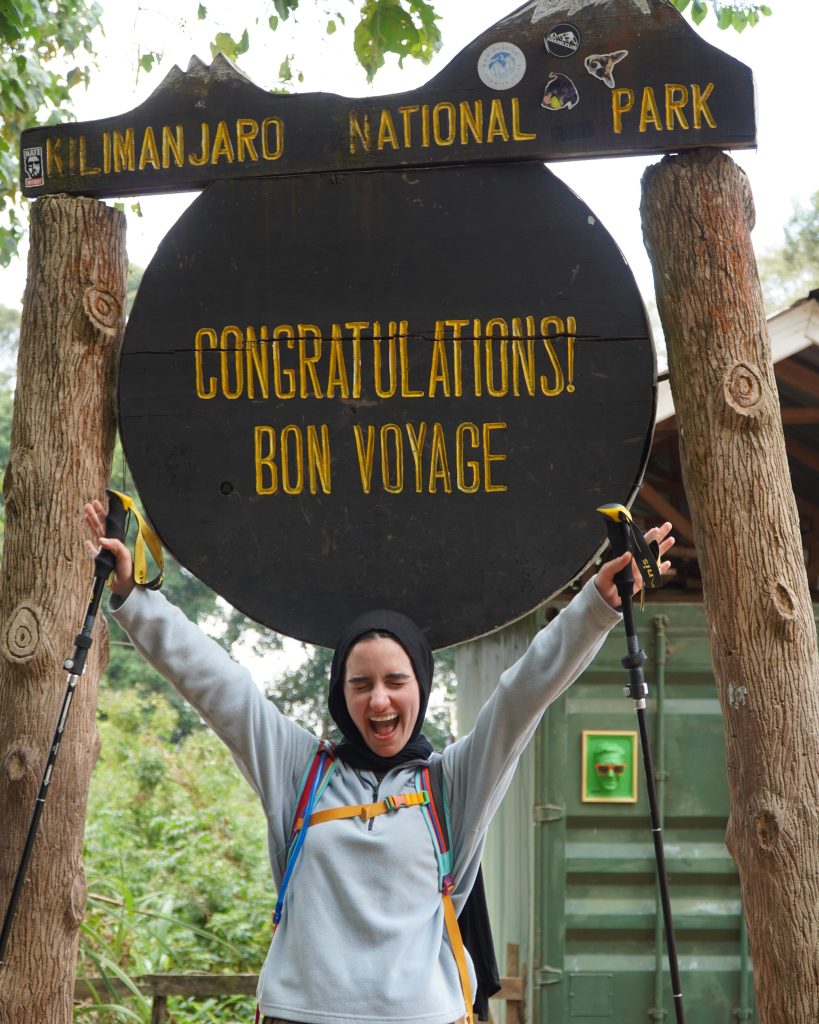
“But…WE DID IT. Standing at the peak after all of it was something I’ll always be grateful to have experienced.”
For Afrah, the experience also created opportunities for faith and reflection.
“We had no phone signal and were surrounded by the most beautiful scenery while pushing ourselves both mentally and physically. For me, it helped snap into focus the depths of our dependence on God and the tawakkul you need to keep pushing forward.”
Looking back, that moment of doubt at the airport feels a long way away.
And her advice to anyone experiencing similar nerves?
“If you’re thinking about going and are feeling a mixture of nerves and excitement…don’t think too hard and just BOOK THE TRIP! I really don’t believe there’s a right time to wait and do this, so go if you’re able to!”
Sometimes the adventures we almost talk ourselves out of become the ones we remember most.
4. Semeena: A summit built on generations of sacrifice
West Sussex | The deeper meaning of achievement
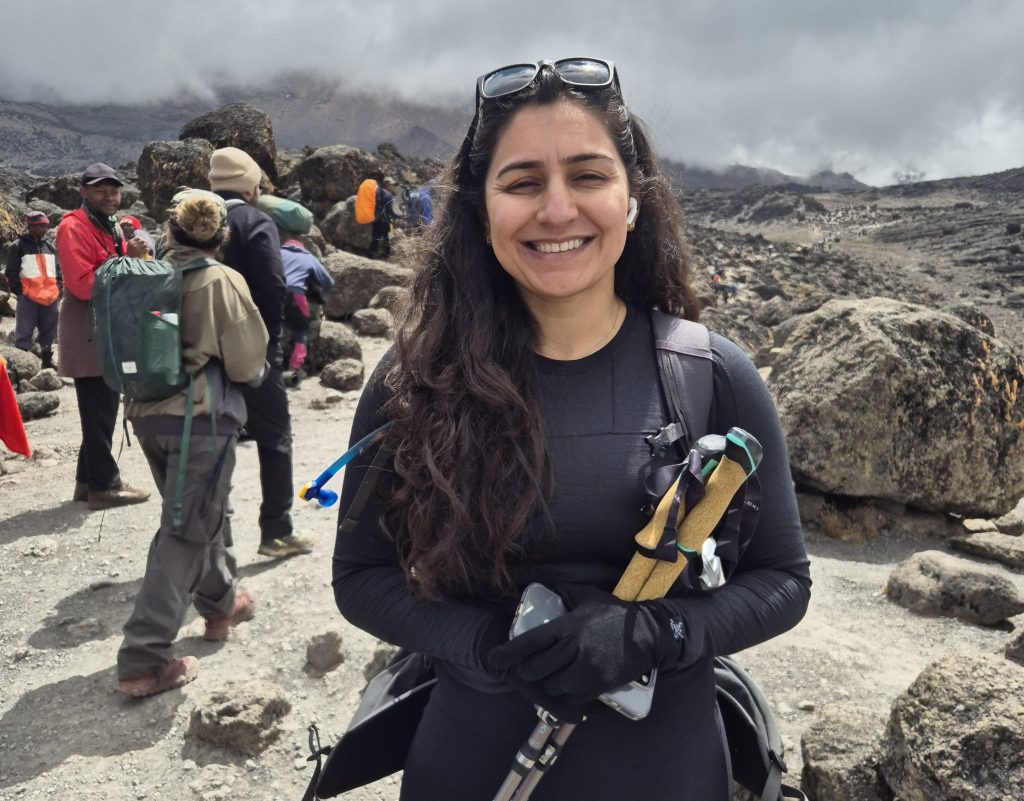
Semeena is no stranger to endurance challenges.
A certified running coach, community leader and experienced runner, she’s spent years encouraging others to discover what they’re capable of.
Having previously completed the Everest Base Camp trek, Kilimanjaro had been on her bucket list for some time.
But even with that experience, the mountain would test her in ways she hadn’t anticipated.
Before the trip, three things concerned her: being with a group for an extended period, coping with the cold and being completely disconnected from her family.
“I’m an extrovert and love being around people, but I also really value my own space.”
As someone accustomed to organising her own travel plans, allowing someone else to take the lead felt unfamiliar.
But she soon discovered there was room for both community and solitude.
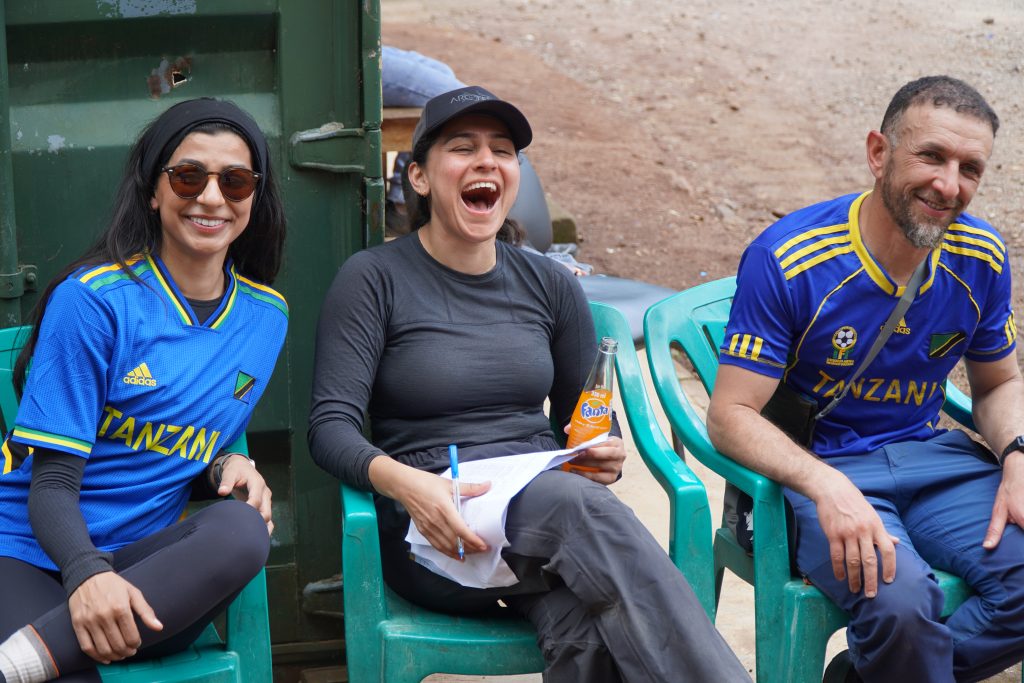
“There were plenty of opportunities to walk on my own, spend time in my tent, or simply sit in silence taking in the scenery. And whenever I missed home or needed a boost, the group was always there with encouragement and laughter.”
The cold was a more serious concern.
Semeena has Raynaud’s, which affects circulation and makes coping with low temperatures particularly difficult.
Although careful preparation helped, summit night brought conditions that pushed her to her limits.
“There was one point on summit night where my body completely shut down from the cold. I was shivering so much that two porters and two members of our team surrounded me, trying to warm me up.”
They took her down jacket from her bag and wrapped her in it.
“Honestly, the porters were the real heroes of Kilimanjaro.”
She described those hours as among the hardest she’d ever experienced mentally.
And that’s coming from someone who knows a thing or two about endurance.
“Give me a marathon any day!”
But after that difficult night, the experience changed.
The sun began to rise.
The wind settled.
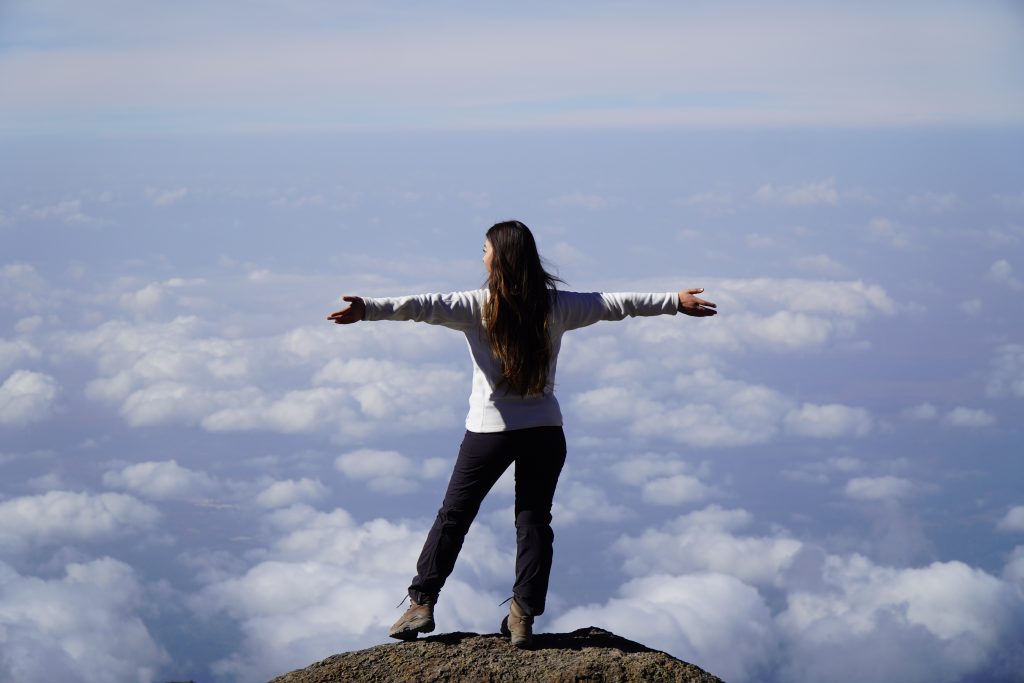
And Semeena found herself standing above the clouds, looking out across Tanzania.
“For those few moments, I was the highest person in Africa, and I just stood there taking it all in. I couldn’t believe I’d actually made it.”
It was a moment of relief, disbelief and pride.
But what came next was even more personal.
She began thinking about her parents.
“They never got the chance to travel or see much of the world. They moved to a new country, didn’t speak the language, worked long hours and raised four kids without the support network they’d left behind.”
Their lives had been shaped by responsibilities, sacrifices and the determination to provide opportunities for their children.
“Travel just wasn’t an option for them. Because of their sacrifices, I have choices they never did.”
Standing on the summit, Semeena found herself reflecting on those sacrifices and the opportunities they had made possible.
“It made me think about how much they gave up to give us opportunities, and how lucky I am to be able to take them.”
Her journey also brought a different perspective on the pace of her everyday life.
“My life is always moving at 100mph with everything I juggle, and Kilimanjaro taught me to slow down. To take things one step at a time, be present and not always feel like I need to be in control.”
Among her favourite memories was a quiet moment on the very first night.
At around 2am, Semeena stepped out of her tent and looked up.
The sky was filled with stars.
“It was so still and peaceful, and just incredibly beautiful. SubhanAllah.”
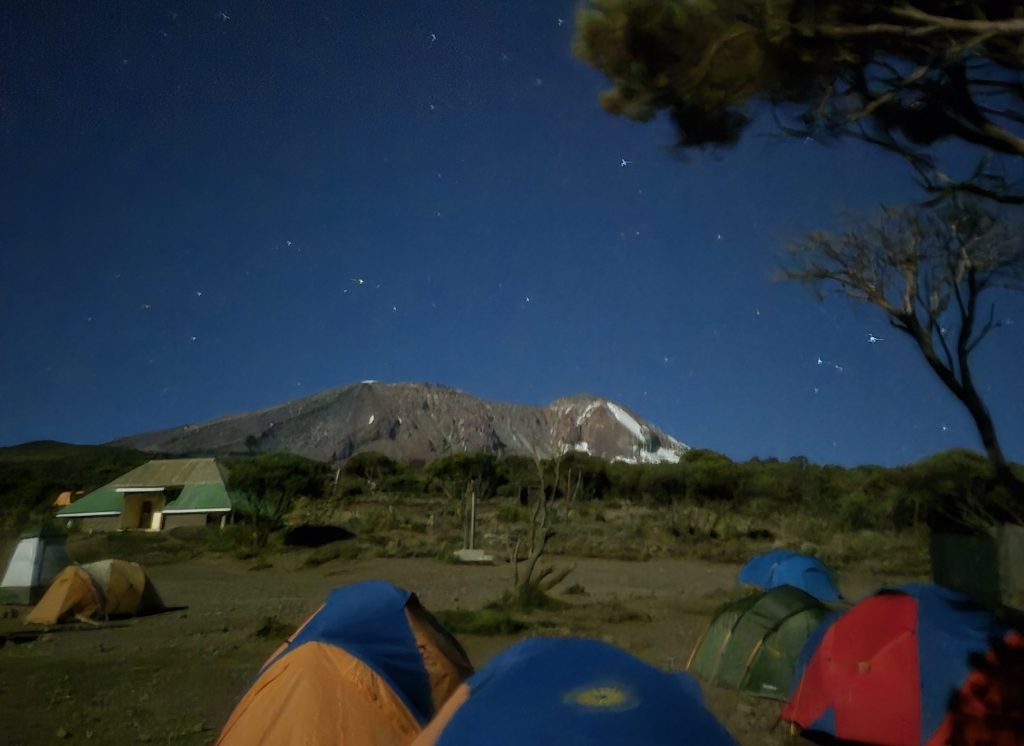
From then on, she made a point of looking up every evening.
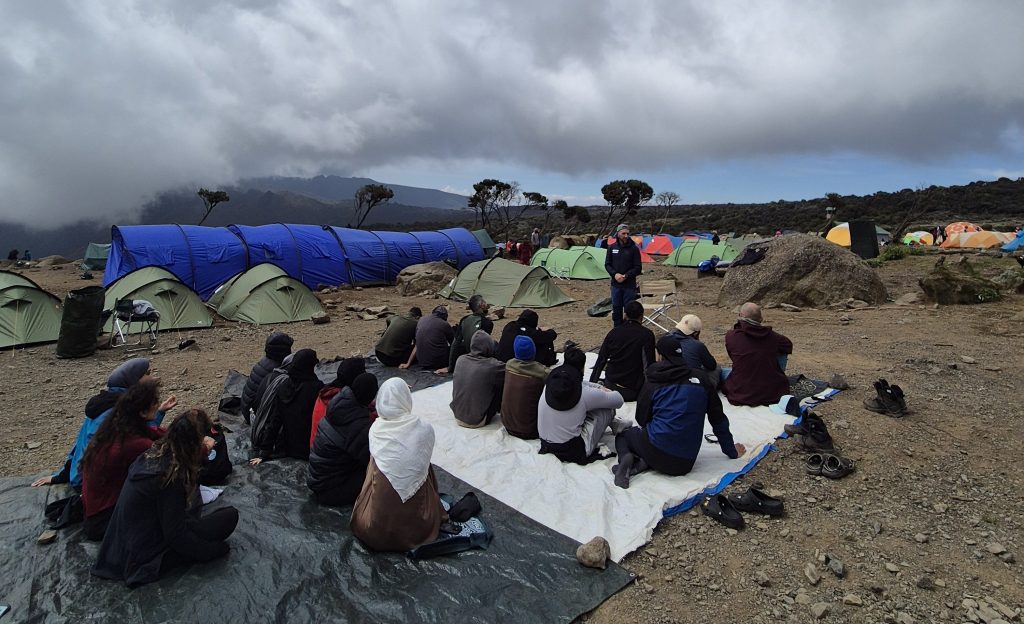
Those moments, alongside the prayers, reflections and Qur’an recitation shared during the expedition, became an important part of the experience.
“I came away feeling deeply connected to my faith, grateful for the people I shared the experience with, and very aware of just how special the whole journey was.”
For Semeena, climbing Kilimanjaro was undoubtedly a physical achievement.
But it also became an opportunity to reflect on her family, her faith and the things that matter most.
5. Khalid: A father, a son and a story for the grandchildren
Manchester | The family adventure
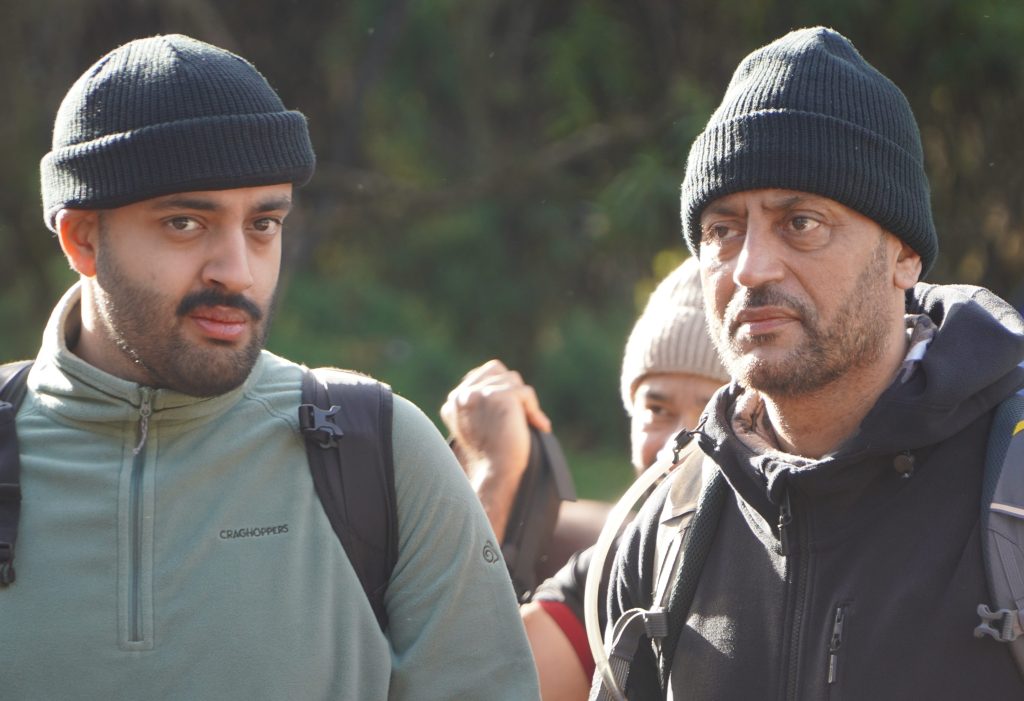
Khalid Khan has a rather entertaining way of introducing himself.
“They call me Khalid Khan because, well, that happens to be my name!”
At 55, the semi-retired Manchester resident had decided that retirement needed a little more adventure.
Seven years earlier, he’d started putting together a bucket list.
Somehow, Kilimanjaro ended up on it.
“Climbing Mount Kilimanjaro somehow made the cut, proving that retirement isn’t always as relaxing as they say.”
While Khalid wasn’t unfamiliar with walking, spending six days camping on a mountain was an entirely new experience.
His main concern wasn’t necessarily whether he’d reach the summit.
It was whether he’d be able to keep up.
“My primary concern was keeping up with the younger crowd and avoiding becoming the group’s official ‘burden.’”
But there was something that far outweighed those nerves.
His son, Nabeel, was joining him.
“It was the perfect opportunity for some quality father-son bonding.”
And what a way to spend time together.
Long days walking through extraordinary landscapes, evenings in camp and the prospect of sharing one of the world’s great mountain adventures.
Not that Khalid enjoyed every aspect of expedition life.
When asked about his biggest challenge, he had a particularly memorable answer.
“Undoubtedly, the most formidable obstacle wasn’t the altitude, it was adjusting to sleeping in tents and navigating the logistical complexities of portable mountain toilets.”
He described it as a character-building experience.
But the summit brought a very different kind of moment.
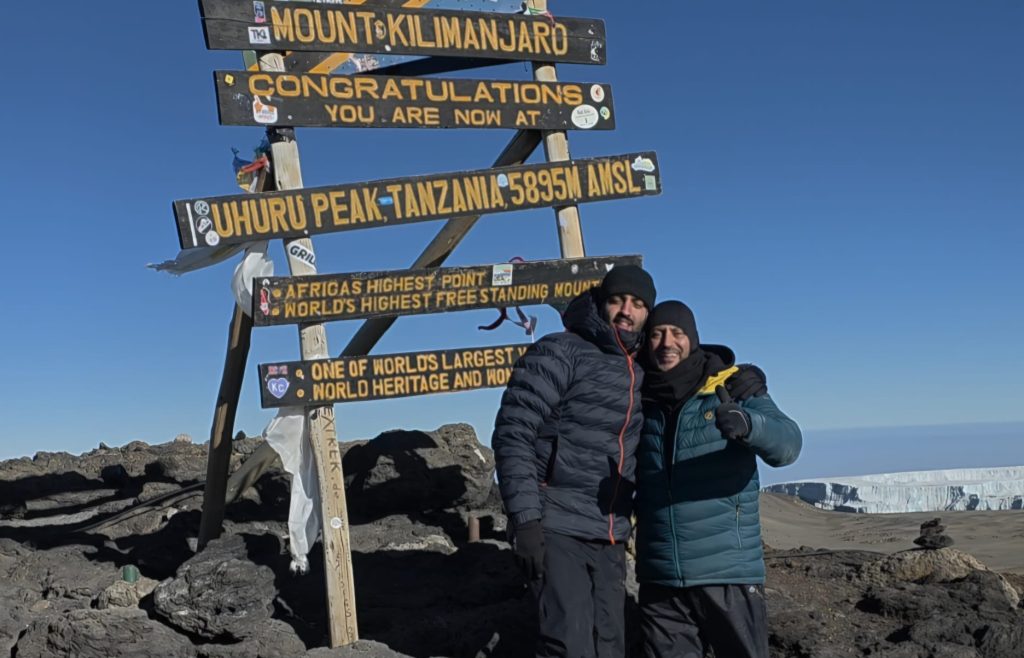
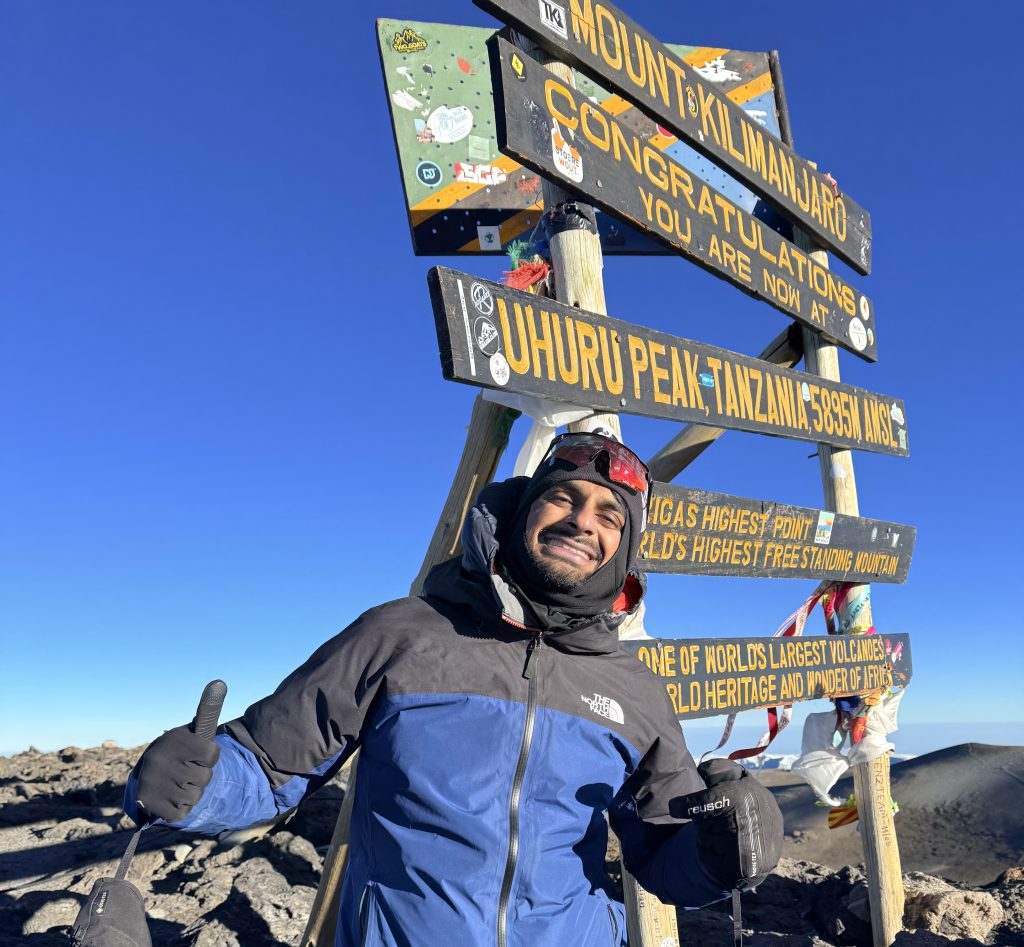
After days of walking and one final push towards Uhuru Peak, Khalid and Nabeel reached the top together.
They embraced.
And Khalid said something his son is unlikely ever to forget.
“Son, when I’m gone and my future grandchildren ask what their grandfather was like, just tell them about this journey.”
What followed was an emotional moment between father and son.
“It was a profound moment, even if we were both entirely out of breath at the time. Needless to say our hugs got firmer and we both cried for what seemed like an eternity.”
Khalid describes reaching the summit as a beautifully contradictory experience.
“You are physically and emotionally wrecked, yet simultaneously feel as though you’ve just conquered the entire world.”
And the experience didn’t end when he returned home.
“The mountain definitely left its mark. I returned from Kilimanjaro an avid hiker and climber.”
The expedition gave him newfound confidence and the motivation to continue exploring.
He also credits the Muslim Hikers community with making the difficult moments easier.
“The sense of community is the secret ingredient to reaching the summit.”
And for anyone worried that they’re too old or too inexperienced to take on something similar, he has a message.
“Don’t let age or a lack of camping experience deter you.”
His final advice?
“Just book it! Commit to it and start breaking in your boots.”
There’s no doubt that reaching Kilimanjaro was a significant achievement for Khalid.
But it’s hard to imagine any part of the experience meaning more to him than that embrace with his son.
A father and son.
One mountain.
And a story that might one day be told to grandchildren.
6. Dr Bilal: Looking after others, while facing his own mountain
Manchester | The expedition doctor
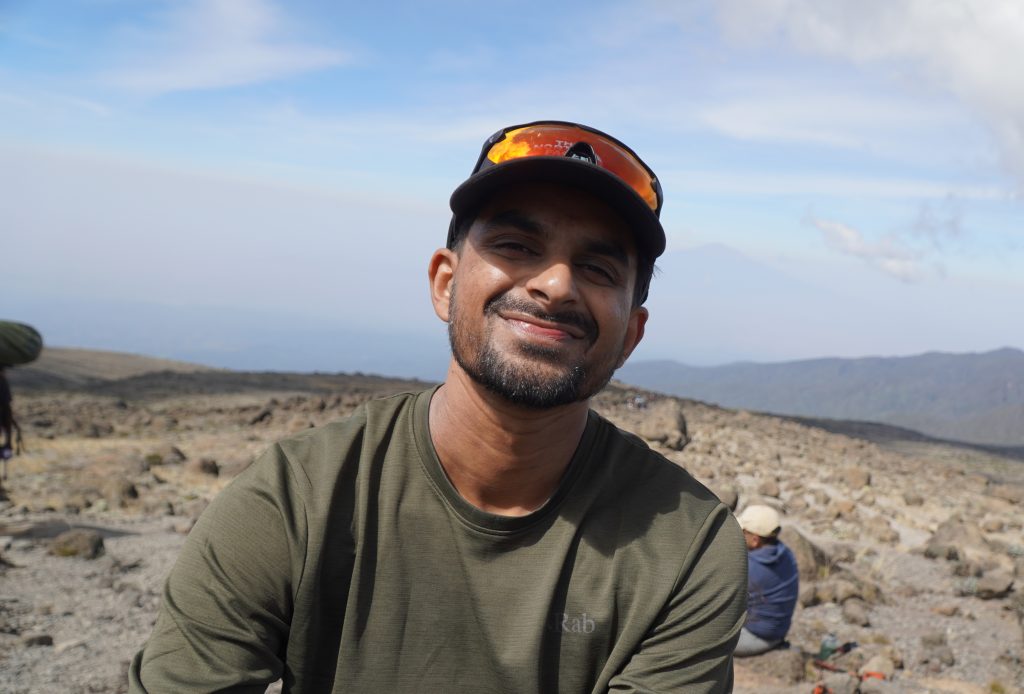
As the expedition doctor, Bilal was joining Kilimanjaro with a different set of responsibilities.
He wasn’t simply preparing to climb Africa’s highest mountain.
He was also preparing to help look after the people climbing alongside him.
A doctor from Manchester and a familiar face within the Muslim Hikers community, Bilal had already taken part in several international adventures.
His interest in expedition medicine had grown from combining two things he loved: medicine and the mountains.
“In 2025, I spent time at Everest Base Camp learning from experienced expedition doctor, Dr Usman, and got a real insight into medicine at altitude.”
When the opportunity arose to join Kilimanjaro as the expedition medic, he knew it was something he wanted to experience.
But alongside that excitement came uncertainty.
“Kilimanjaro was the highest I’d ever been, so there was the uncertainty around how my own body would cope with the altitude.”
And unlike other participants, Bilal was also thinking about everyone else’s wellbeing.
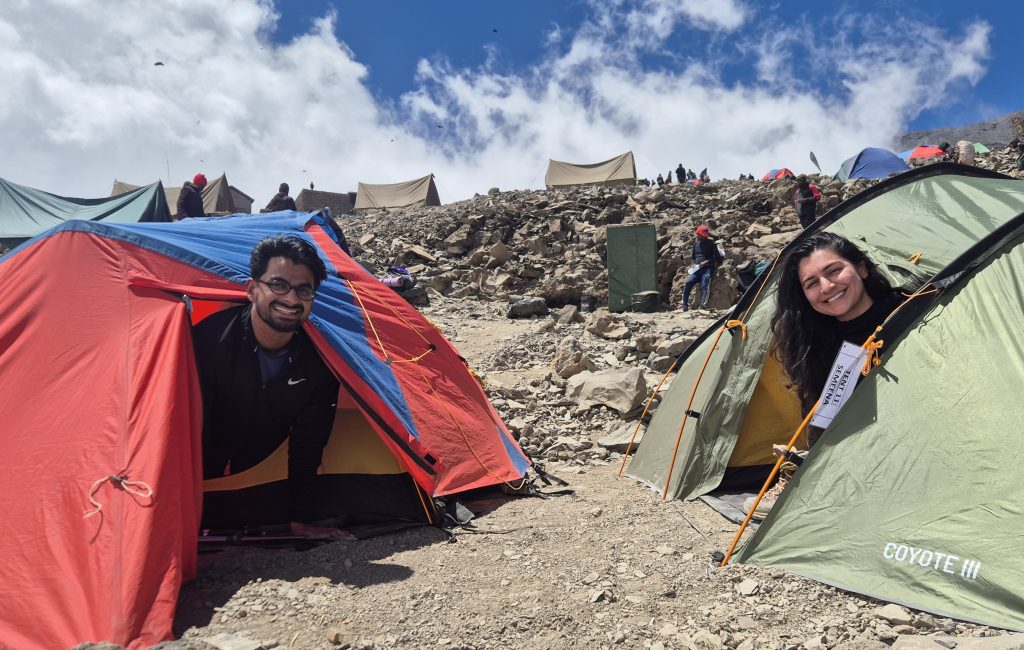
“It was an interesting balance between managing my own nerves and vulnerability on the mountain, while still being the calm and reassuring doctor that others could turn to when they needed help.”
As the expedition progressed, Bilal discovered that his medical knowledge didn’t make the physical challenges any easier.
Long days, freezing temperatures and nights spent camping eventually took their toll.
The most difficult moment came during the final ascent.
“Summit night was one of the hardest nights, hikes and mental battles I’ve ever experienced. Especially with the freezing cold winds.”
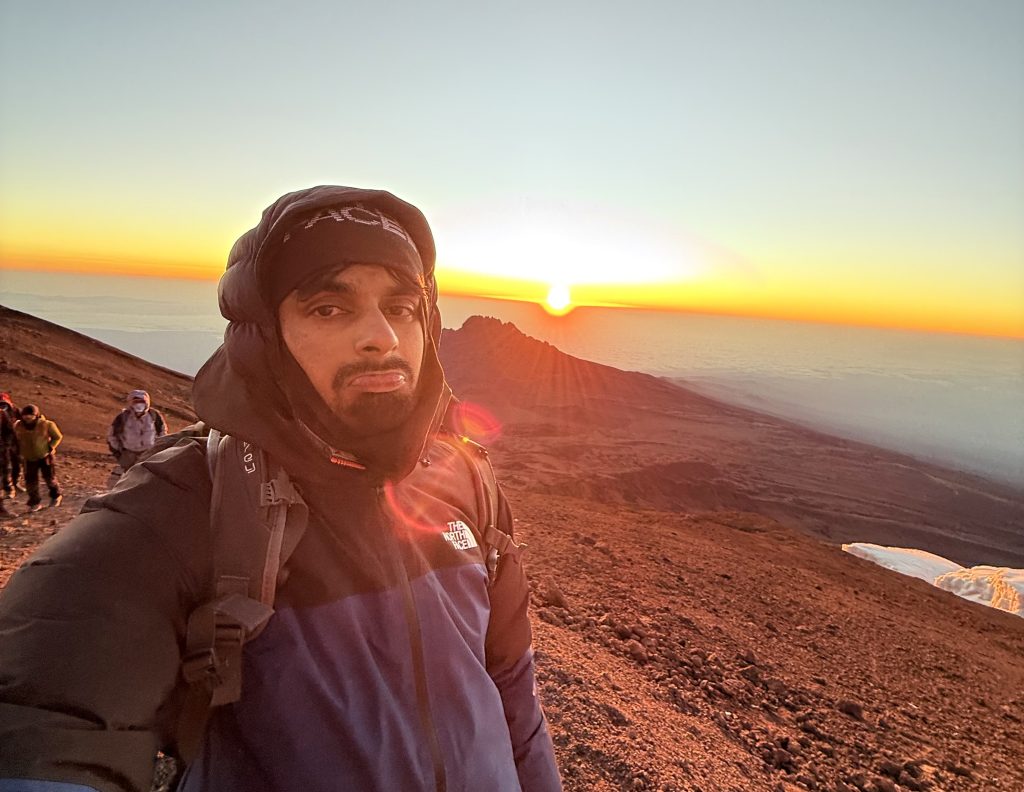
After hours of walking in the darkness, he began to see the first signs of daylight as the group approached Stella Point.
“It gave me this sudden sense of hope! The warmth was coming, we were nearly there, and after hours of darkness I could finally see the incredible landscape around us.”
The sunrise became one of his defining memories.
“Watching that crisp sunrise over Africa, surrounded by the mountains, was such a beautiful reminder of Allah’s creation. It’s a moment I don’t think I’ll ever forget.”
Bilal also remembers the role that friendships played in helping him through the difficult moments, particularly the support and humour shared with his tentmate, Asim.
And there was another part of the experience that meant a great deal to him.
“There’s something incredibly grounding about praying together on the mountain, under a sky full of stars, sharing reminders and reflecting on our faith while surrounded by Allah’s creation.”
For Bilal, those moments of faith and community offered a deeper sense of purpose.
“Going through such a challenging experience together as Muslims creates a really special spiritual bond, and that’s something I’ve carried with me long after coming home.”
As the expedition medic, he also had the opportunity to witness the determination of other participants at close quarters.
“As the medic, you get to see people at some of their most tired and vulnerable moments, so watching them dig deep, support each other and keep going was genuinely inspiring.”
He was particularly impressed by the resilience of the women in the group, as well as the encouragement offered by more experienced hikers.
His biggest lesson for anyone considering Kilimanjaro is a reassuring one.
“Kilimanjaro isn’t a race! Everyone moves at their own pace, and sometimes going slowly is exactly what your body needs.”
But he also emphasises the importance of preparation and listening to medical advice.
“You don’t need to be the fastest or strongest person on the mountain; you just need to prepare well, take it one step at a time and give it your best.”
Coming from someone who experienced the mountain both as a medic and a participant, it’s advice worth remembering.
Beyond the summit: What makes Kilimanjaro unforgettable?
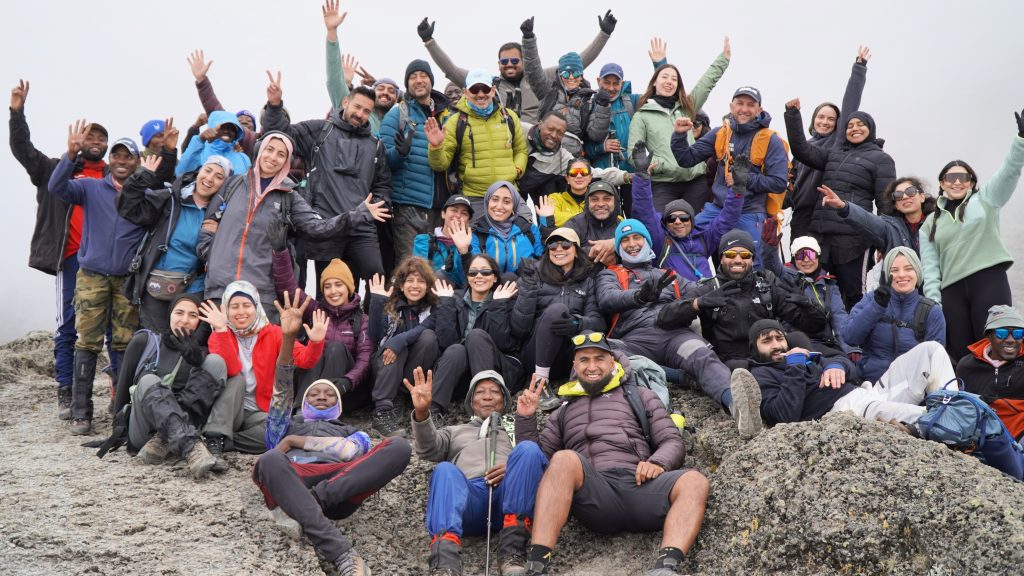
Six people. Six very different reasons for being there.
Habiba spent twelve years dreaming of Kilimanjaro.
Anela travelled from Montenegro to join people she’d never met.
Afrah wondered what she’d signed herself up for, then found herself singing karaoke in a tent with a new friend.
Semeena thought about the sacrifices her parents had made, while Khalid shared a moment with his son that may one day become part of their family history.
And Dr Bilal discovered that even those responsible for looking after others face their own challenges on the mountain.
What connects these stories isn’t simply that all six climbed Kilimanjaro.
It’s the experiences they shared along the way.
The laughter after long days of walking. The friendships formed between people from different backgrounds and countries. The prayers and moments of reflection, far away from the distractions of everyday life.
The encouragement offered when the mountain became difficult.
And the extraordinary care and generosity of the local guides and porters, whose hard work, experience and support were fundamental to the expedition.
For us, this is what makes Muslim Hikers special.
Our expeditions aren’t simply about ticking mountains off a list.
They’re about bringing people together, creating opportunities to explore extraordinary places, and building a sense of community that continues long after everyone has returned home.
It’s also important to acknowledge that reaching the summit of Kilimanjaro is never guaranteed.
Altitude, weather, fitness and individual health can all affect the outcome, and responsible decisions on the mountain must always come before any particular summit ambition.
But whether it’s the friendships, personal growth, moments of faith or the pride of taking on something new, there are many ways an expedition like this can leave a lasting impression.
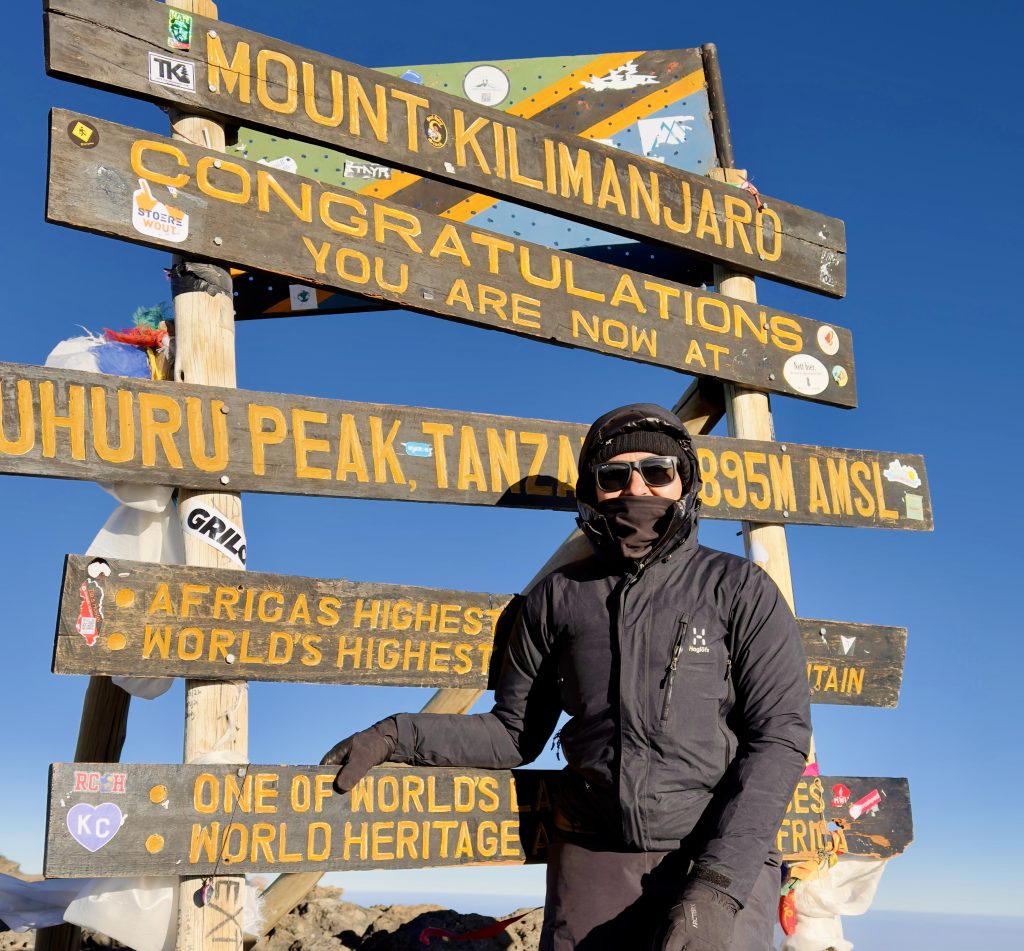
As these six stories show, the most meaningful memories aren’t always the ones captured beside a summit sign.
Sometimes they’re the moments that happen long before you get there.
And sometimes they’re the stories you carry home.
Your Kilimanjaro story could be next
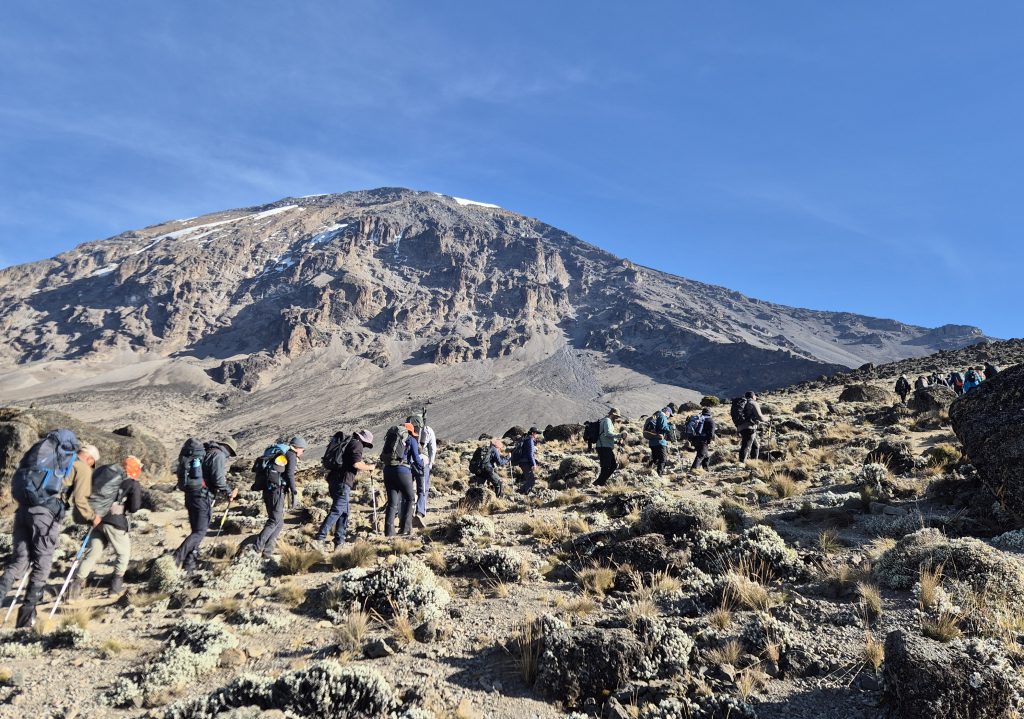
In January 2027, Muslim Hikers will return to Tanzania for another expedition to Mount Kilimanjaro.
Perhaps you’ve dreamed of climbing it for years, like Habiba.
Perhaps you’re nervous about joining a group of strangers, like Anela.
Perhaps you’re wondering whether you’ve got what it takes, or simply looking for a new adventure that will push you beyond your comfort zone.
Whatever brings you to the mountain, Kilimanjaro is a serious physical and mental undertaking, requiring appropriate preparation, fitness, equipment and respect for the challenges of high altitude.
But you don’t need to arrive with years of mountaineering experience to begin exploring the possibility.
Our aim is to create a welcoming, supportive environment where participants can take on this extraordinary challenge alongside experienced local mountain professionals and a community that encourages one another.
Because every person who joins us brings their own story. And you never quite know what that story will become.
Join Muslim Hikers on Kilimanjaro in January 2027.